Free shipping on orders over $75 — Shop the new collection

The Science Behind SARAYA

Heritage you can verify.

Every ingredient in SARAYA has a reason to be there — and a source we can show you. This is the long version: what each ingredient does, what it won't do, and how to tell the real thing from the lookalike.

Sourced claims

When we cite science, we name the study. When the evidence is traditional, we say so.

Cosmetic, not medical

We speak about how hair looks, feels, and behaves — not about treating any condition.

“What it won’t do”

Every ingredient below has a section telling you exactly where its limits are.

Authentic Chébé from Chad

Ingredient 01

Authentic Chébé from Chad

The ingredient

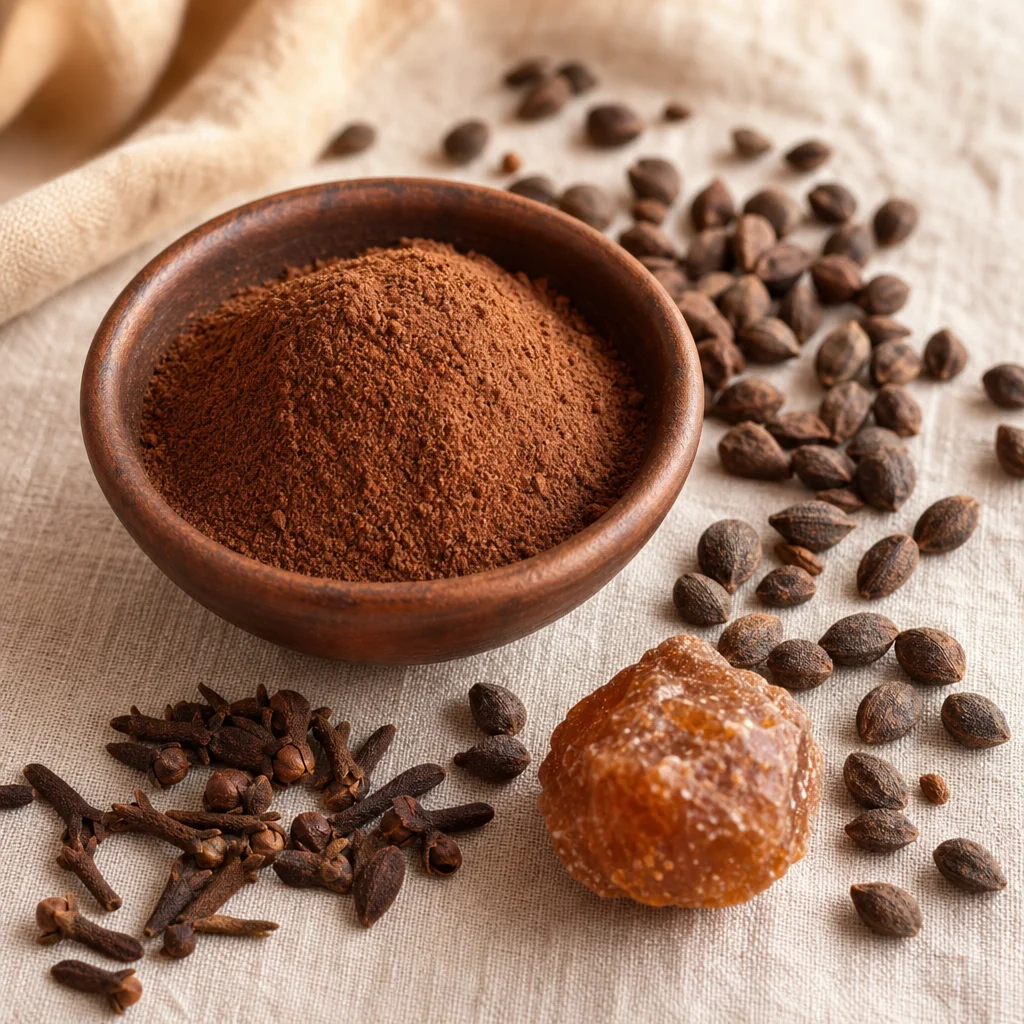
Chébé is a centuries-old hair ritual passed down by the Bassara and Arab Choa women of Chad. It is not a single plant — it is a precise blend of Croton zambesicus seeds, ground clove, fragrant misk resin, scented oils, and a vegetable oil that binds everything together.

What we chose

We source the authentic Bassara blend directly from women producers in Chad — not a reformulation, not a substitute mix of unrelated powders. The recipe stays the recipe.

What the science says

Most of the evidence for Chébé is ethnographic — generations of documented use among women whose hair grows uncut to the lower back. Peer-reviewed clinical studies on the blend itself are limited, and we say so. The mechanism we can describe with confidence is mechanical: the powder coats the hair shaft, reducing tangling and breakage along the length.

What it won't do

Chébé does not make hair grow faster — no topical product does. Hair grows at roughly half an inch per month, set by biology. What Chébé helps with is length retention — keeping the hair you grow instead of losing it to breakage.
Jamaican Black Castor Oil (JBCO)

Ingredient 02

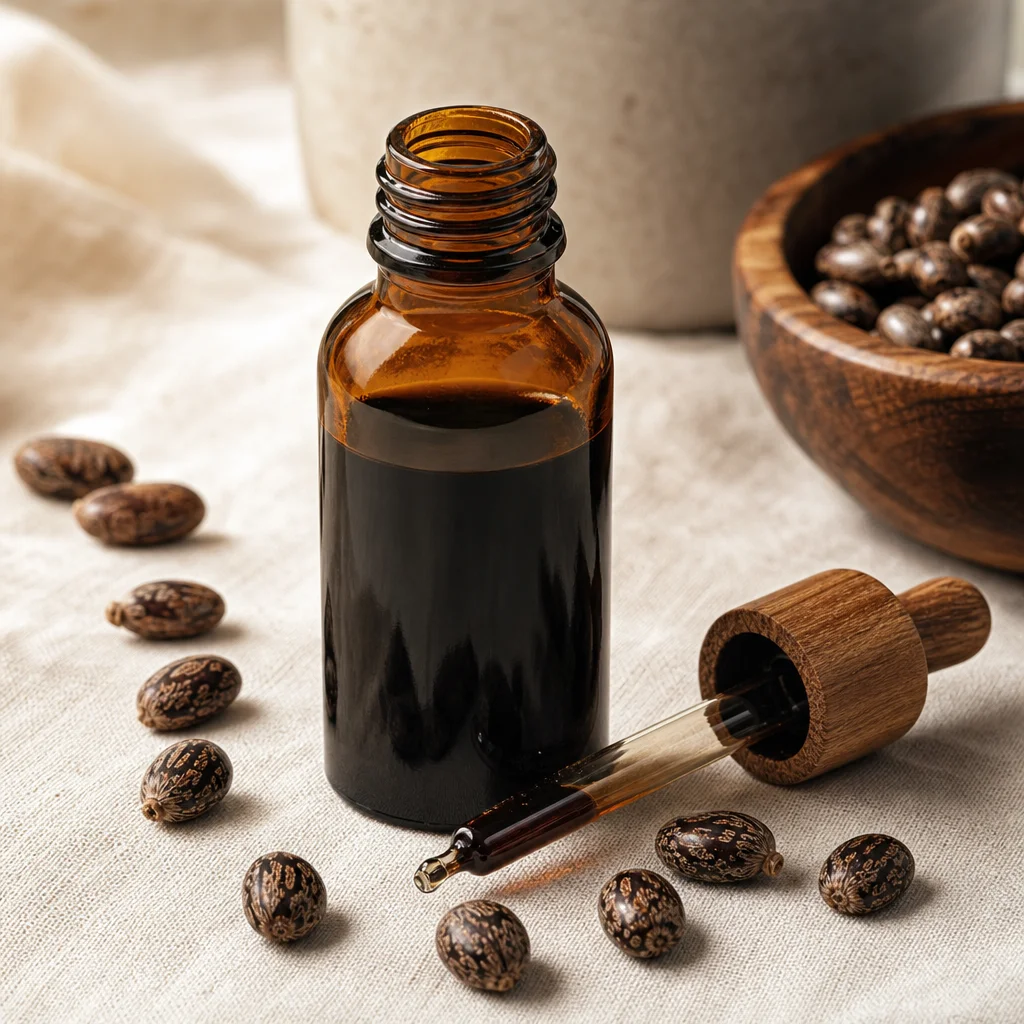
Jamaican Black Castor Oil (JBCO)

The ingredient

Traditional Afro-Caribbean castor oil, distinct from the clear castor oil sold in pharmacies. The castor beans are roasted before pressing — that step changes the color, the aroma, and the mineral content of the final oil.

What we chose

We use true roasted JBCO, traceable to its press. Color, smoky aroma, and ash content are the markers of authenticity, and we audit them every batch.

What the science says

JBCO is roughly 90% ricinoleic acid, a fatty acid with documented anti-inflammatory and antimicrobial activity in laboratory settings (most evidence is preclinical, not clinical hair trials). On hair, it acts as a heavy sealant — it locks moisture in and helps reduce breakage along the strand.

What it won't do

JBCO does not regrow hair, treat hair loss, or alter the hair follicle. Anyone selling it that way is overstating what the evidence supports.

Raw, unrefined shea butter

Ingredient 03

Raw, unrefined shea butter

The ingredient

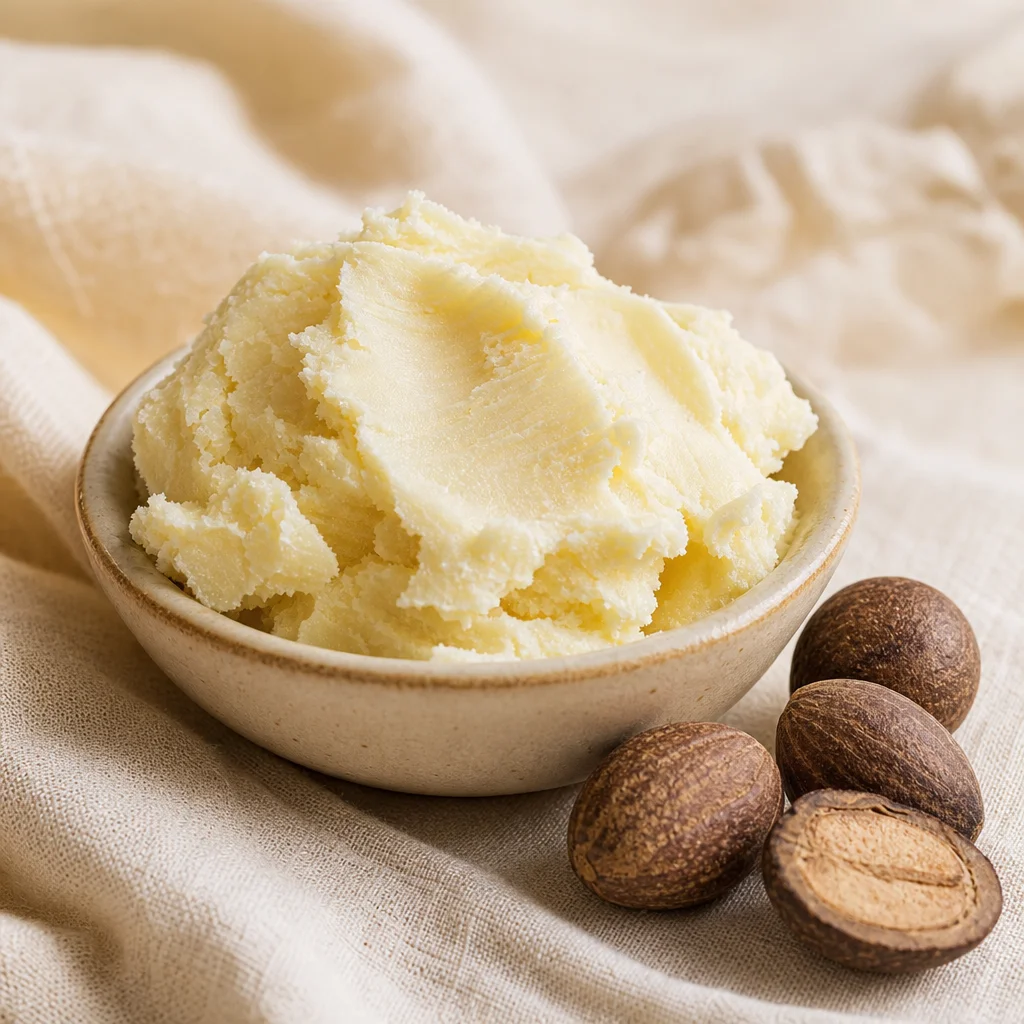
West African shea butter, churned by hand, never deodorized, never bleached. The faint smoky note you may notice is a signature of authentic raw shea — not a defect.

What we chose

Most shea butter on the mass market is refined at high temperature to remove its natural color and aroma. That process also reduces its unsaponifiable fraction — the active part that carries vitamins A and E and cinnamic esters. Raw shea preserves several times more of that fraction.

What the science says

Shea butter is one of the best-studied natural emollients in dermatology. It is occlusive, softens the feel of the hair, and supports the moisture barrier of the scalp. These effects are well established for skin and translate directly to the hair shaft.

What it won't do

Shea does not penetrate deeply into the cortex of the hair. Its role is to sit on the surface, condition, and seal — and it does that beautifully.

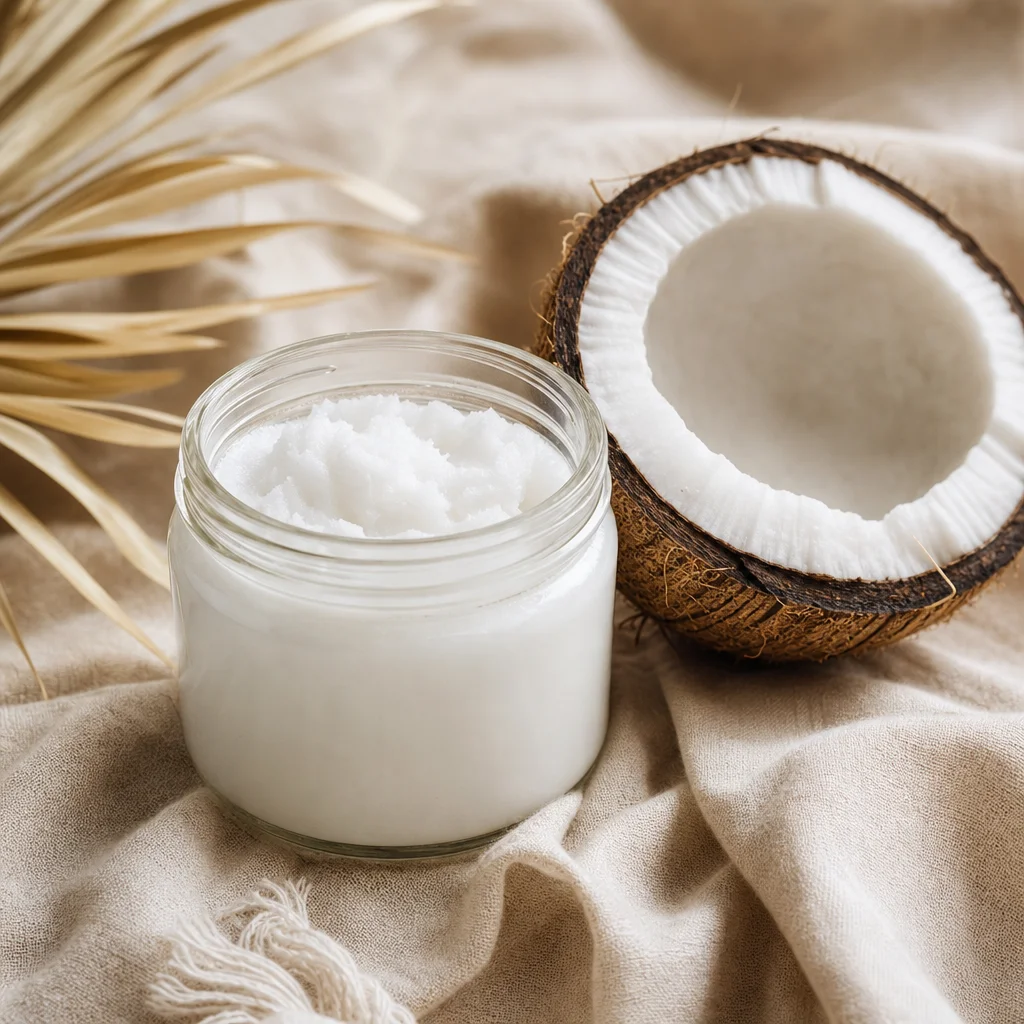
Virgin coconut oil

Ingredient 04

Virgin coconut oil

The ingredient

Cold-pressed from fresh coconut, unrefined, unbleached, undeodorized — so the natural bioactives stay intact.

What we chose

We chose virgin coconut over refined (RBD) coconut because refining strips most of the polyphenols, vitamin E, and other phytochemicals. The fatty acid backbone, including lauric acid, survives refining — but the bioactives that make virgin coconut special do not.

What the science says

Coconut oil is the most thoroughly studied plant oil for actual penetration into the hair shaft. A reference study (Rele & Mohile, Journal of Cosmetic Science, 2003) found that coconut oil reduced protein loss from hair, both before and after washing, compared with mineral oil and sunflower oil. This penetration is attributed to lauric acid, which is present in both virgin and refined forms.

What it won't do

Coconut oil is not a hair growth product, and it is not the only oil that penetrates hair — that claim gets repeated, but it overstates the evidence. We only claim what the studies show: it is the best-documented oil for reducing protein loss from the strand.

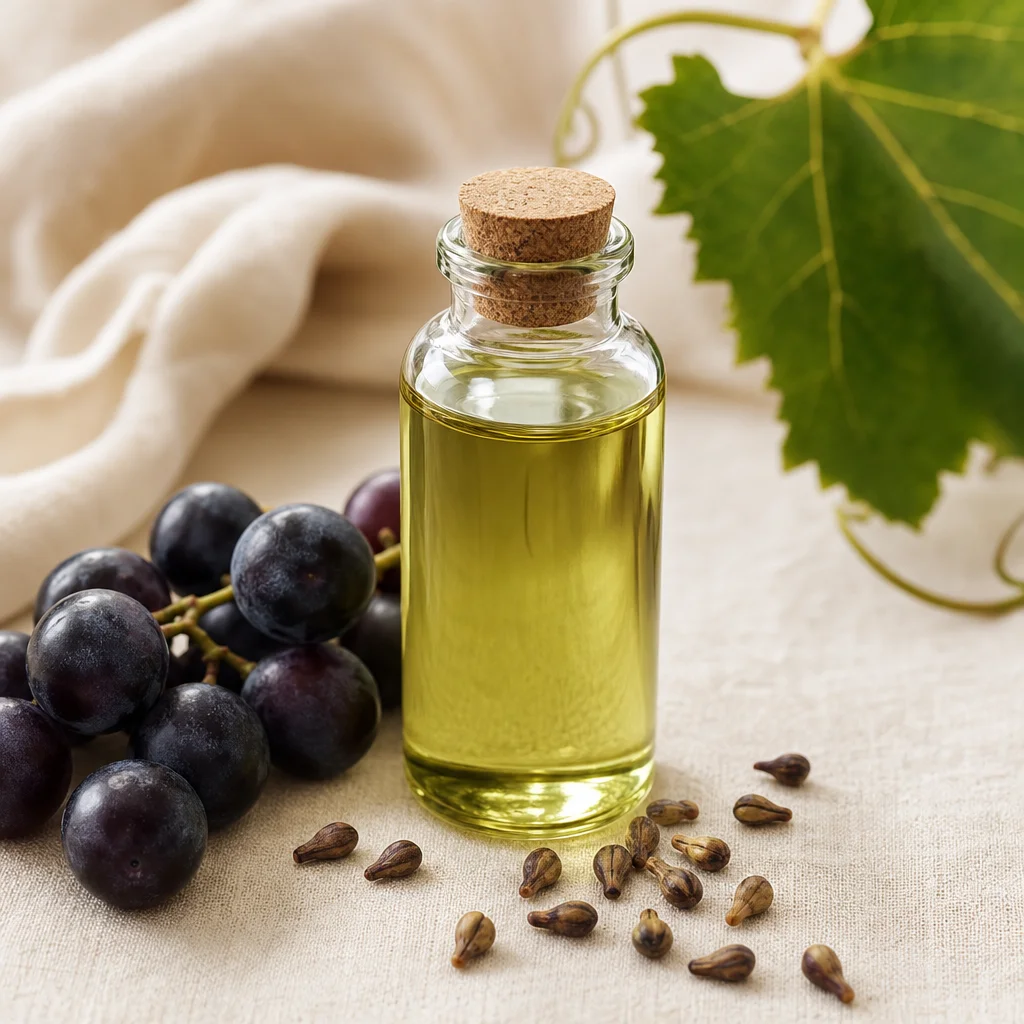
Grapeseed oil

Ingredient 05

Grapeseed oil

The ingredient

A light, fast-absorbing oil pressed from grape seeds — a byproduct of winemaking, repurposed into one of the most balanced carrier oils in cosmetics.

What we chose

It is the quiet ingredient that makes our formula work for more than one hair type. It balances heavier oils, prevents the formula from weighing down finer curls, and brings a clean finish.

What the science says

Grapeseed oil is rich in linoleic acid — an essential fatty acid that supports the lipid layer of skin and hair. Separately, it contains antioxidants: vitamin E (tocopherols) and polyphenols, including oligomeric proanthocyanidins (OPCs). The fatty acid and the antioxidants are two different things, and we keep them straight.

What it won't do

Grapeseed oil does not treat the scalp, prevent gray hair, or repair split ends. It conditions, balances, and protects against everyday oxidative stress — that is its job, and it does it well.

The ritual itself

Why we ask you to massage, not just apply.

Every SARAYA ritual asks you to spend a few minutes massaging the oil into your scalp before braiding or styling. The massage matters as much as the product.

A small study (Koyama et al., 2016, n = 9) observed that roughly 4 minutes per day of scalp massage over 24 weeks was associated with increased hair thickness. It's a small sample on a long timeline — we share it as an observation, not as a guarantee. The effect the researchers described was attributed to the massage itself, not to any specific oil used as a medium.

For us, the massage is also the moment the ritual becomes yours. Hands, scalp, breath, a few minutes of attention. That part has no footnote, and it doesn't need one.

Buyer's guide

How to spot the real thing.

Whether you buy SARAYA or not, these are the signals we use ourselves when we audit ingredients. Keep them in mind the next time you read a label.

  • Real Chébé lists its components.

    Look for Croton zambesicus seeds, clove, misk resin, and a binding oil. A generic “Chébé powder” with no ingredient list is a warning sign.

  • Real Jamaican Black Castor Oil is roasted.

    It should smell smoky and be naturally dark. Pale or syrup-colored oils marketed as JBCO are usually regular castor oil with caramel tint.

  • Real raw shea has an aroma.

    A faint smoky, nutty note is normal. Perfectly white, odorless shea has been refined and has lost part of its active fraction.

  • Virgin coconut oil says so on the label.

    If it just says “coconut oil”, assume it has been refined (RBD). Refined coconut still works as a fatty acid source — but the antioxidants are gone.

  • A serious brand tells you what its products won't do.

    Anyone promising explosive growth in weeks, regrowth on bald patches, or miracle results is selling something other than honesty.

A note on origin

This ritual belongs to the women who built it.

The Chébé ritual was created and refined by the Bassara and Arab Choa women of Chad, through centuries of practice. SARAYA exists to share that ritual with respect — sourcing directly from women producers, naming the heritage clearly, and never claiming it as our own invention. The knowledge is theirs. Our job is to honor it accurately.

References

  • Rele, A. S., & Mohile, R. B. (2003). Effect of mineral oil, sunflower oil, and coconut oil on prevention of hair damage. Journal of Cosmetic Science, 54(2), 175–192.
  • Koyama, T., Kobayashi, K., Hama, T., Murakami, K., & Ogawa, R. (2016). Standardized scalp massage results in increased hair thickness by inducing stretching forces to dermal papilla cells in the subcutaneous tissue. Eplasty, 16, e8.

SARAYA products are cosmetic. They are not intended to diagnose, treat, cure, or prevent any condition. Statements describe appearance, feel, and condition of hair.

Now you know what's inside.

Start the ritual with the same ingredients we just walked you through — sourced honestly, chosen carefully, backed by a 30-day refund guarantee.

Shop the ritual